
DEKA SmartXide² TRIO Implementation: A Practical Guide for ENT, GYN & OR Teams
Hospital stakeholders frequently ask how it will integrate into existing infrastructure, workflows, and staff routines.
This guide provides a thorough, practical roadmap for a smooth, safe implementation of the DEKA SmartXide² TRIO.

What Makes the DEKA SmartXide² TRIO Suitable Across Multiple Surgical Environments
The DEKA SmartXide² TRIO is an all-in-one CO₂ laser platform that combines scanner-assisted CO₂ delivery, flexible fiber delivery, and optional diode-laser functionality.
- The scanner-assisted CO₂ mode delivers precise tissue ablation with minimal thermal spread, ideal for microsurgical precision in ENT, gynecology, and general surgery.
- The fiber (hollow-waveguide) delivery system enhances flexibility and access, particularly for confined anatomical regions common in ENT and GYN procedures.
- An optional diode module adds versatility for coagulation or adjunctive uses, broadening the system’s utility across surgical specialties.
This flexibility makes the DEKA SmartXide² TRIO a strong candidate for hospitals and clinics seeking a single laser platform to support multiple disciplines.
Room and Infrastructure Requirements
Before the DEKA SmartXide² TRIO can become operational, certain infrastructure and environmental prerequisites must be met.
Electrical and Space Requirements
The laser system must be installed in a room with appropriate power capacity and proper grounding, consistent with manufacturer guidelines.
The room should accommodate the laser console, delivery arm or fiber cart, handpiece support, smoke evacuation equipment, and standard OR furniture without crowding the operative area.
Laser Safety Zones and Line-of-Sight Considerations
According to the Association of Surgical Technologists, entrance doors to the OR or laser-designated theatre must display conspicuous “laser in use” warning signs when the system is active.
Windows or glass panels (if present) should be covered or treated to prevent exposure to stray or reflected beams.
Ventilation and Plume Management
A suitable smoke evacuation system (plume evacuator) is mandatory, with clear channels for surgical smoke and plume generated during tissue ablation.
Exhaust ducts should meet hospital ventilation standards; smoke filters must be maintained according to the manufacturer’s schedule to ensure effectiveness.
Integration with Existing OR Furniture & Positioning
The delivery arm or fiber cart should not obstruct surgical access or interfere with standard OR layouts (tables, lighting, anesthesia machines).
Patient positioning (supine, lateral, lithotomy, etc.) must allow unobstructed access for the laser handpiece or articulated arm.
Workflow Integration in ENT, GYN, and General Surgery Settings
Integrating a CO₂ laser into an existing surgical workflow is as much an operational exercise as a clinical one. Each specialty brings its own spatial constraints, preferred instrumentation, and team best practices.
ENT Procedures
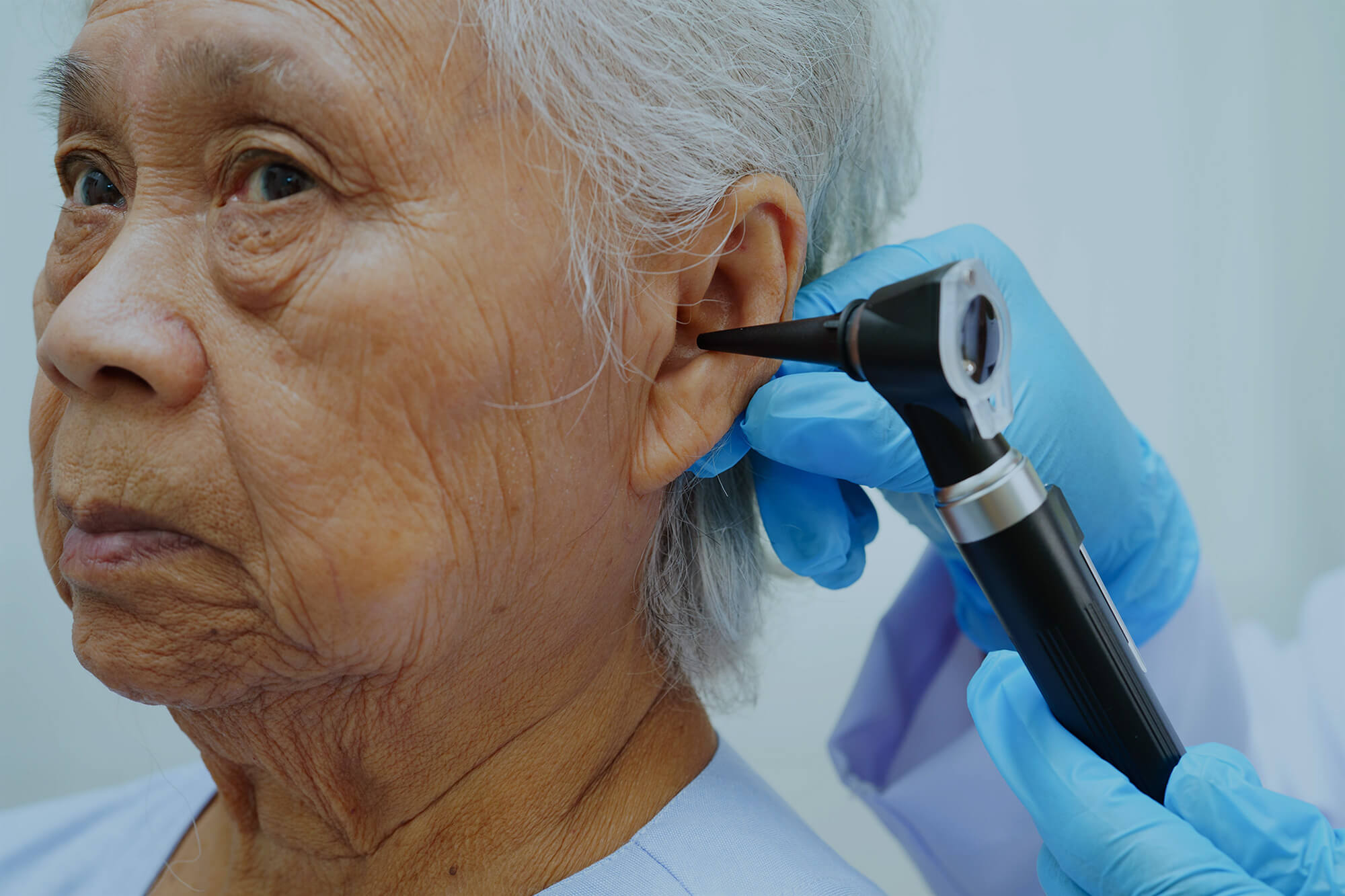
Using the DEKA SmartXide² TRIO in ENT procedures leverages the system’s precision and highly maneuverable delivery options.
Whether paired with the articulated arm for microscope-guided work or used with the flexible fiber for endoscopic access, the system can navigate narrow anatomical corridors such as the nasal cavity, middle ear, and larynx with control and stability.
The TRIO’s delivery modes allow surgeons to isolate target tissue while maintaining a clean operative field, supporting efficient progress in cases where visibility and precision are critical.
Operational considerations matter here. ENT ORs typically house microscopes, micromanipulators, and endoscopic towers, so teams should plan fiber routing and laser placement to avoid equipment conflicts.
Handpiece ergonomics and the fiber’s flexibility also help maintain natural instrument angles, reducing strain and ensuring smooth movements during delicate work.
Gynecological Procedures
Gynecological procedures often require precise access to the uterus, cervix, vagina, and adnexal structures, frequently through endoscopic or colposcopic visualization. Modern CO₂ laser systems offer a controlled, tissue-sparing alternative to traditional procedures that integrates smoothly alongside existing scopes and imaging platforms.
The DEKA SmartXide² TRIO fits naturally into standard gynecological room layouts. The flexible fiber delivery system is particularly useful when operating in confined anatomical spaces or when patient positioning varies between lithotomy and supine. Its maneuverability allows surgeons to work without repositioning towers, lighting, or anesthesia equipment.
Handpiece setup can be tailored to common gynecologic workflows, and most teams find that only minor adjustments to their usual OR configuration are needed. This makes day-to-day use predictable and minimizes disruptions when alternating between laser and non-laser cases.
General Surgery Procedures (Shared ORs)
General surgery covers a broad spectrum of soft-tissue procedures across multiple anatomical regions, often within ORs that serve several specialties. Because these rooms must support diverse caseloads, equipment flexibility and efficient turnover are essential.
The DEKA SmartXide² TRIO fits well into this environment, offering a compact system that can be moved in and out of shared ORs without disrupting established workflows.
Operationally, general surgery ORs are often crowded with imaging systems, energy platforms, anesthesia equipment, and instrument tables. Planning for the TRIO’s placement, cord routing, and smoke evacuation ensures the laser integrates smoothly alongside this existing footprint. Because setup and teardown are quick relative to fixed laser installations, OR managers can rotate the system between lists or specialties without adding significant idle time.
For hospitals with multidisciplinary surgical teams, this adaptability is a key advantage. One console can support a range of soft-tissue procedures without requiring specialty-specific rooms or dedicated infrastructure, allowing departments to maximize utilization while maintaining consistent safety and workflow standards.
Staff Training and Onboarding Essentials
Successful implementation depends on thorough role-specific training:
- Surgeons must master safe laser operation, delivery modes, power settings, handpiece handling, and ergonomic use in microsurgical and general procedures.
- Scrub nurses and circulating staff should understand plume evacuation, handpiece exchange, smoke evacuator set-up, and emergency fire procedures.
- Biomedical/clinical engineering staff must ensure proper installation, calibration, preventive maintenance, and compliance with safety standards.
Before clinical use, the facility should conduct mock procedures or dry runs to verify personnel readiness and system functionality (handpiece maneuvering, emergency procedures, foot pedal control, etc.).
Annual refresher in-service sessions and documented competency assessments maintain long-term readiness.
Safety and Compliance Considerations
Implementing CO₂ lasers in a surgical environment involves distinct hazards. A robust laser safety program is essential. This includes the following:
Eye Protection and Room Signage
- All personnel (staff and patient) must wear protective eyewear appropriate for CO₂ wavelength (10,600 nm). Standard glass may block the beam, but protective goggles or shields specified for CO₂ are mandatory.
- Laser-specific warning signs must be posted at all room entry points whenever the laser is in use.
Fire and Flammability Risk Mitigation
- Use moist drapes or flame-resistant materials around the surgical site. Avoid alcohol-based skin preps unless fully vaporized and dried before laser activation.
- In oxygen-enriched environments (e.g., airway procedures), suppress supplemental oxygen or lower to the minimum safe level before firing the laser.
- Keep a basin of water or saline solution and a fire extinguisher readily available at the operating field.
Administrative and Procedural Controls
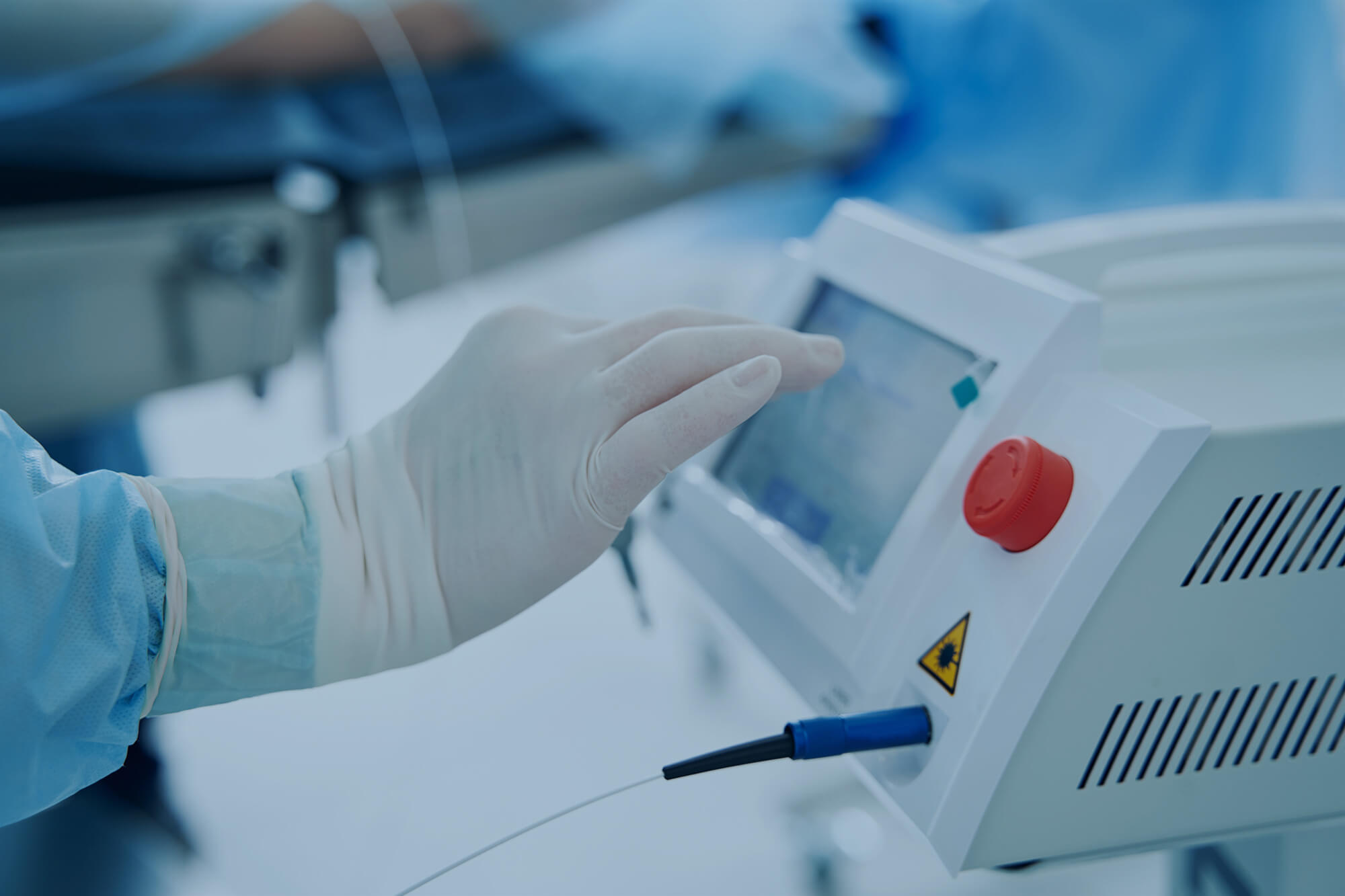
- Designate a Laser Safety Officer (LSO) responsible for enforcing safety policies, training, documentation, and equipment checks.
- Use a laser-specific time-out (in addition to surgical time-out) to confirm readiness, presence of protective equipment, fire safety measures, and proper staff roles before activating the laser.
- Record calibration, test-fire events, maintenance, and any safety incidents as part of quality assurance and regulatory compliance.
Implementation Timeline: From Delivery to First Procedure
A realistic sequence for deploying the DEKA SmartXide² TRIO can look like this:
- Delivery and inspection: Verify all components on arrival, check for damage, and confirm serial numbers and accessories.
- Installation and calibration: Set up the system according to electrical and grounding requirements, position the console and delivery system, and integrate smoke evacuation.
- Baseline test-fire: With the LSO or biomedical engineer present, perform and document a test-fire to confirm alignment, focus, and energy output.
- Staff orientation and training: Provide role-specific training for surgeons, nurses, anesthesiologists, and biomedical teams covering operation, safety, plume control, and emergency protocols.
- Mock procedures: Run dry-lab simulations to rehearse positioning, handpiece exchange, fiber routing, foot pedal control, and safety checks.
- Safety review and sign-off: LSO validates readiness, reviews documentation, and confirms that required safety processes and checklists are in place.
- Initial clinical cases: Start with straightforward cases under close supervision to monitor workflow, equipment behavior, and team coordination.
- Ongoing maintenance: Follow scheduled preventive maintenance, optical cleaning, filter replacement, and periodic system checks to maintain reliable performance.
Why a Structured Implementation Plan Maximizes the Value of DEKA SmartXide² TRIO
A CO₂ laser system like the DEKA SmartXide² TRIO offers exceptional flexibility and precision across ENT, GYN, and general OR settings, but only if implemented with discipline, planning, and respect for safety standards.
By addressing infrastructure requirements, integrating workflows, thoroughly training roles, and institutionalizing safety procedures, hospitals can ensure reliable performance, minimize risk, and maximize return on investment.
IML supports surgical teams throughout the entire implementation journey, from delivery and calibration to staff training and ongoing support, helping ensure that the DEKA SmartXide² TRIO integrates safely and effectively into existing clinical environments.
For tailored guidance on your surgical environment or to begin planning implementation, contact us to discuss next steps.