

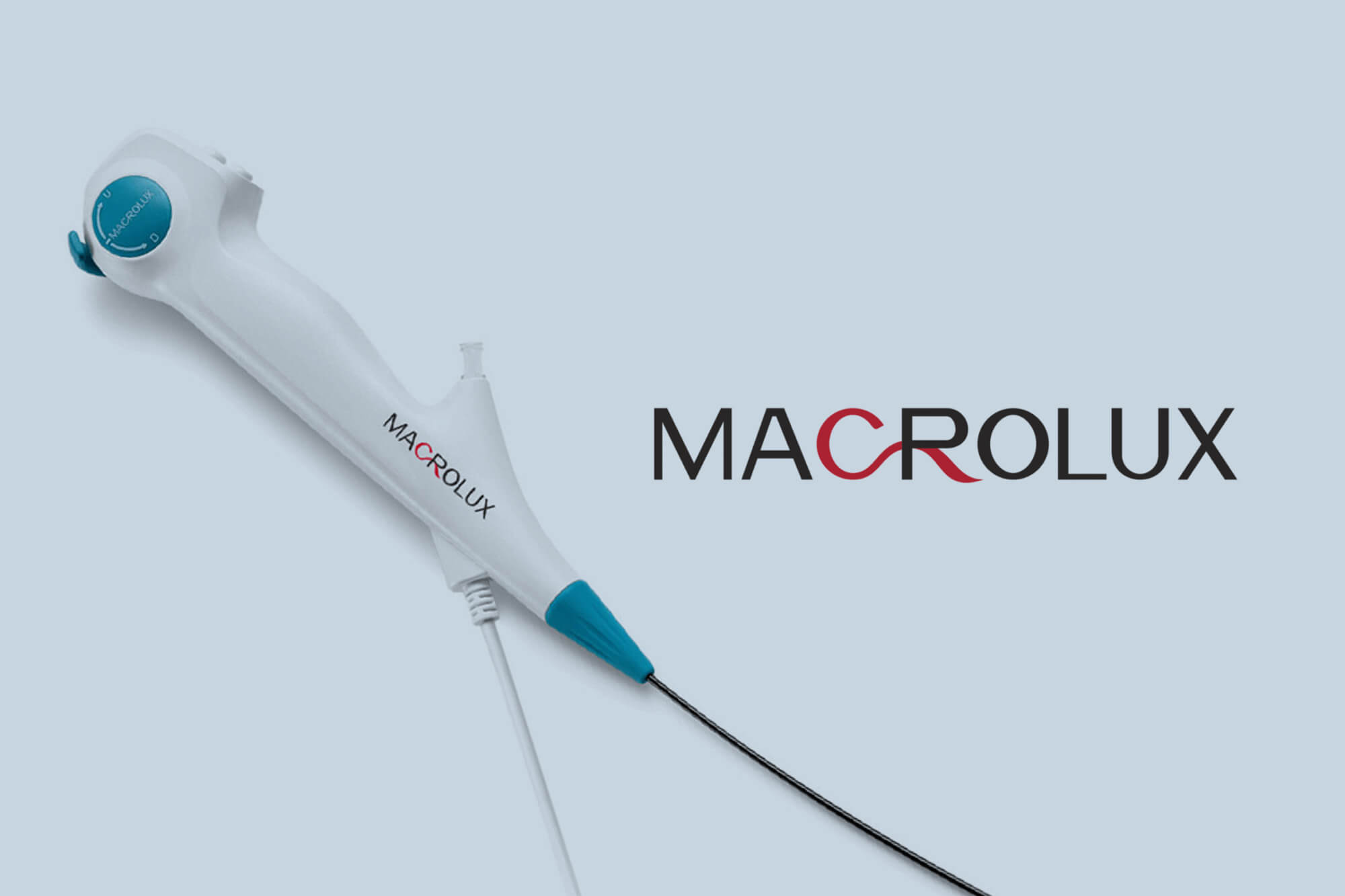
MacroLux Ureteroscope Maintenance and Support Guide
Hospitals evaluating ureteroscope vendors need transparent guidance on upkeep requirements, lifecycle costs, and what dependable support should include.
This article delivers a practical, in-depth reference for operating room managers, biomedical engineers, and procurement teams.
Why Maintenance Matters for Flexible Ureteroscopes
Flexible ureteroscopes operate under significant mechanical and chemical stresses. During a procedure, bending (deflection), irrigation, instrument insertion, and optical stress exert pressure on the insertion tube, distal tip, internal optics, working channels, and seals.
After each procedure, cleaning and sterilization add further strain. Research shows that, combined, these stresses cause cumulative wear.
If maintenance practices are inconsistent or inadequate, consequences include decreased image quality, reduced articulation, leak risk, unexpected repairs, and downtime. In high-volume urology programs, this can lead to frequent disruptions, higher operational costs, or the need for early scope replacement.
By contrast, a structured maintenance regime preserves optical performance, extends service life, reduces unplanned downtime, and improves predictability.
Core Maintenance Requirements for the MacroLux Ureteroscope
Maintaining a flexible ureteroscope is an end-to-end process. The core maintenance requirements for MacroLux (and any comparable flexible ureteroscope) must cover handling, cleaning, sterilization, inspection, drying, storage, and documentation.
The workflow for each maintenance use case is documented by the Association for Professionals in Infection Control and Epidemiology as follows:
Point-of-use Precleaning
- Immediately after the procedure, before the organic material dries, wipe external surfaces, flush channels, and suction water through lumens.
- Remove detachable parts (valves, caps, water/air ports) and pre-soak separately if required by the device’s instructions for use (IFU).
Leak Test Before Cleaning
- Conduct a leak test after pre-cleaning and before submersion, and after any event that could risk damage (e.g., a drop, an unusual deflection). A leak test ensures internal integrity before further reprocessing.
- If the scope fails, remove it from circulation and send it for repair.
Manual Cleaning (Brush and Flush)
- Fully submerge the ureteroscope in manufacturer-approved cleaning solution.
- Use soft, lint-free cloths or sponges for exterior surfaces.
- Use channel brushes (recommended length, width, and material per instructions for use (IFU)) to clean working channels, irrigation channels, and accessory ports. Actuate all movable components (e.g., bending section, valves) while cleaning.
- Rinse all surfaces and internal channels with high-quality water (ideally sterile or deionized) to avoid mineral deposits that degrade performance.
High-Level Disinfection or Sterilization
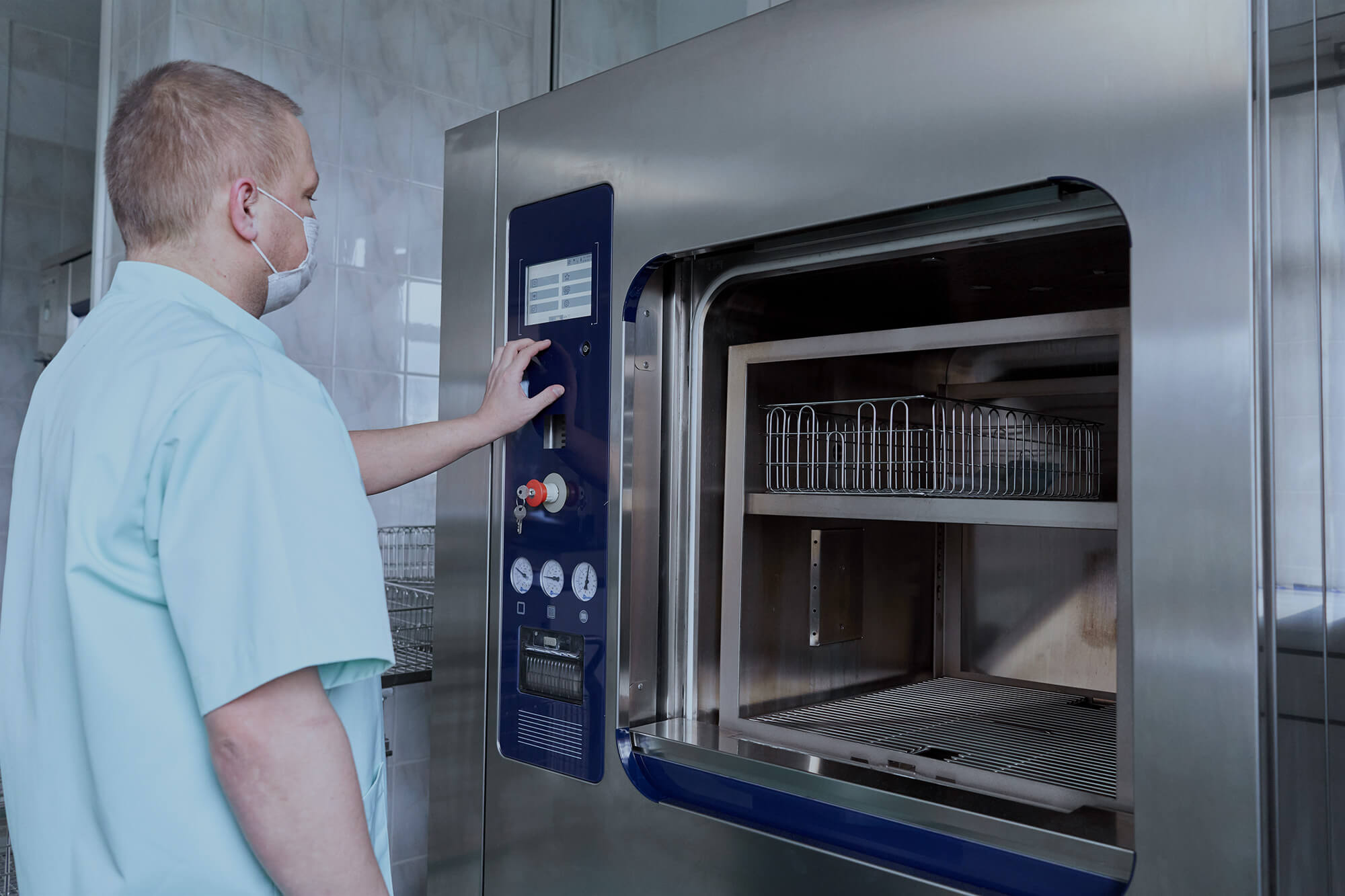
- After manual cleaning and visual inspection, perform high-level disinfection (HLD) or sterilization, as specified in the IFU and regulatory requirements. Acceptable methods may include low-temperature sterilization systems (e.g., hydrogen peroxide methods) or other approved sterilization processes.
- Rinse thoroughly after sterilization to remove residual chemicals. Flush channels with sterile water or as per IFU, then purge with instrument air.
Drying and Storage
- Exterior should be wiped dry with a soft, lint-free cloth.
- All channels must be purged with air or dried via a mechanical drying cabinet/system. Scopes should never be stored wet.
- Store vertically (uncoiled) in a dedicated drying cabinet or a cabinet with HEPA-filtered air and positive airflow. Valves should be left open, and removable parts stored separately, but together with the scope.
Documentation and Quality Control
- Maintain detailed logs: scope identifier, date/time of procedure, reprocessing times (cleaning, disinfection, drying), operator, sterilizer or HLD equipment used, lot numbers of chemicals, inspection results, any defects found, and repair history.
- Perform routine visual inspections before each use, post-processing, and after cleaning. For internal channel integrity or optical assessment, use a borescope or internal inspection camera if available.
Implementing and enforcing this full workflow guards against wear accelerated by improper cleaning, residual moisture, or chemical damage.

What to Look for in Ureteroscope Service Contracts
Owning a flexible ureteroscope like MacroLux is more than buying the instrument. A reliable service contract forms the backbone for long-term uptime, predictable maintenance costs, and risk management.
| Key Feature | Why It Matters |
|---|---|
|
Clear definition of covered repairs vs. exclusions |
Prevents cost surprises when standard wear (e.g., bending section, seals, optics) requires fixation |
|
Fixed or capped repair pricing |
Lets procurement and OR management plan budgets without spikes from heavy repair seasons |
|
Turnaround time guarantees and loaner scope availability |
Ensures operational continuity for high-volume departments avoids procedure delays |
|
Documentation support for compliance and audits |
Facilitates regulatory compliance and internal quality tracking
|
|
Warranty start date aligned with first use (not delivery) |
Maximizes useful warranty period and avoids warranty lapses due to storage delays |
|
Preventive maintenance/inspection scheduling |
Preventive maintenance/inspection scheduling
Enables early detection of wear before failure and optimizes lifespan
|
Contracts that incorporate these features give hospitals clarity, reduce uncertainty, and help evaluate total cost over time rather than the upfront purchase price only.
Engineering & Reliability Factors That Reduce Downtime
Not all flexible ureteroscopes are built the same. The internal design and engineering robustness of a scope profoundly affect how much maintenance it needs and how often it fails. Look for these design attributes:
- Robust deflection mechanism: A durable bending section that resists fatigue helps maintain articulation and deflection angle through many cycles.
- Reinforced insertion tube and distal tip: Protects against abrasion, kinking, or impact damage (common failure points during insertion and manipulation).
- Optimized channel layout: Channels designed to reduce internal stress on optics and working channels reduce the risk of fiber damage or channel collapse over time.
- Quality sealing materials and optics housing: Good seals and secure optics reduce leak risk and maintain image clarity throughout repeated reprocessing cycles.
Design features like these lower the frequency of downtime-causing repairs and reduce the cost per procedure over the scope’s lifetime.
Total Cost of Ownership: How Maintenance Impacts Budgets
Recent systematic review data help frame what to expect from a reusable flexible ureteroscope (fURS) under typical clinical conditions. Findings:
- On average, flexible ureteroscopes are sent for repair after approximately every 15 ureteroscopy procedures for a repair rate of approximately 6.5%.
- The average repair cost per incident in the reviewed literature was calculated at USD $6,808. When averaged across procedures at the stated repair rate, repair cost corresponds to about USD $441 per ureteroscopy case.
In addition to repairs, reprocessing costs (labor, consumables, sterilization, drying) contribute a meaningful ongoing expense. One study estimated reprocessing labor plus disposables at approximately USD $82-96 per use.
These figures show that repair and maintenance typically account for the majority of the total cost of ownership, often exceeding the purchase price over time. Given those costs, a well-managed maintenance program plus a robust support contract is critical to optimizing long-term value.
Ensuring Long-Term Reliability With the MacroLux System
For hospitals investing in a MacroLux ureteroscope, establishing a comprehensive maintenance workflow, selecting a strong service contract, and committing to data-driven lifecycle management are critical steps.
With proper care and support, the device can deliver consistent performance, minimize disruptions, and maximize return on investment over time.
For institutions seeking dependable support throughout the device lifecycle, IML provides guidance, resources, and ongoing assistance to help teams maintain durable, safe ureteroscope performance.