

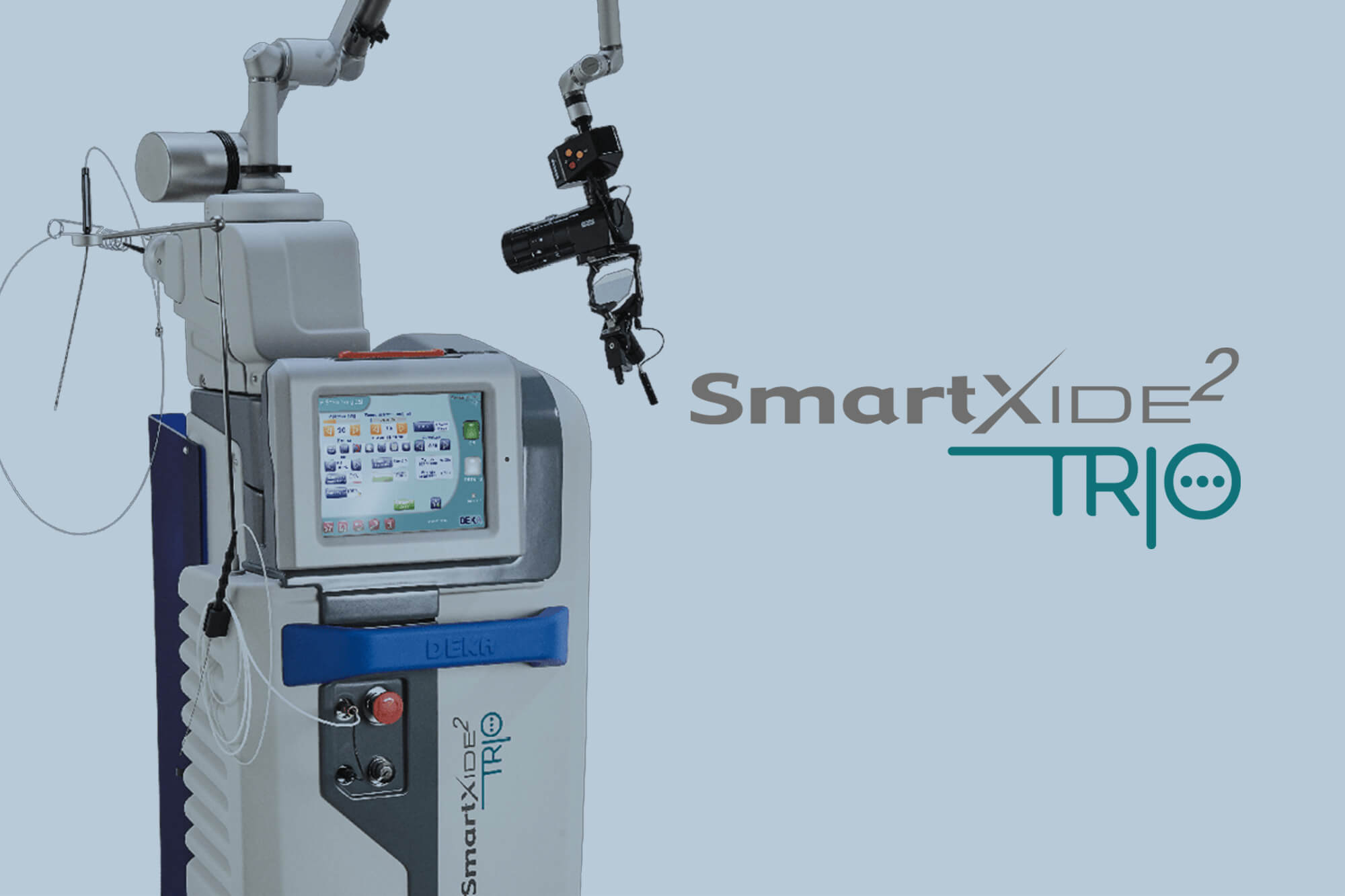
Maintenance, Service Contracts, and Reliability of the DEKA SmartXide² TRIO
Reliability depends on stable optics, precise energy delivery, and structured preventive maintenance. Hospitals evaluating CO₂ laser systems need clarity on how maintenance works, what service contracts typically include, and how engineering design affects long-term operating costs.
This guide explains the maintenance requirements, reliability characteristics, and support considerations that matter when assessing a system like the DEKA SmartXide² TRIO.
Why Maintenance Matters for Surgical CO₂ Laser Systems
CO₂ lasers depend on precise mirror alignment, stable resonator conditions, and clean optical surfaces. Even minor contamination or shifts can affect beam quality or output stability.
Preventive maintenance reduces calibration drift, power variation, and unexpected system shutdowns. The Association of periOperative Registered Nurses (AORN) notes that regular inspection and preventive servicing of energy-based devices supports operating room efficiency, protects uptime, and reduces intraoperative disruptions.
Core Maintenance Requirements for the CO₂ Laser Systems
The operator’s manual for the DEKA SmartXide² TRIO outlines tasks within installation, system checks, safety verification, and internal component handling that align with standard CO₂ laser maintenance principles.
Optics Cleaning and Alignment
Dust, residue, or minor misalignment on mirrors, lenses, or scanning optics can affect beam quality and power consistency, so careful cleaning and regular inspection are essential.
Calibration Checks
Calibration verification ensures the system is delivering the selected energy levels consistently. Routine power checks help identify early drift or performance changes before they affect clinical use.
Articulated Arm or Fiber Delivery Inspection
Articulated arms require joint and bearing inspection. Fiber delivery configurations require checks for sheath integrity and transmission efficiency. This is standard across surgical CO₂ systems according to the FDA.
Internal system assessments
Hospital laser safety policies describe requirements for safe operation and maintenance of CO₂ lasers. One example includes Grand River Hospital Laser Safety Policy. These policies align with standard OEM practices and CO₂ laser maintenance guidelines and typically include component checks like:
- Mirror and lens integrity
- Cooling or airflow system checks
- Gas or vacuum line inspection
- Filter inspection or replacement
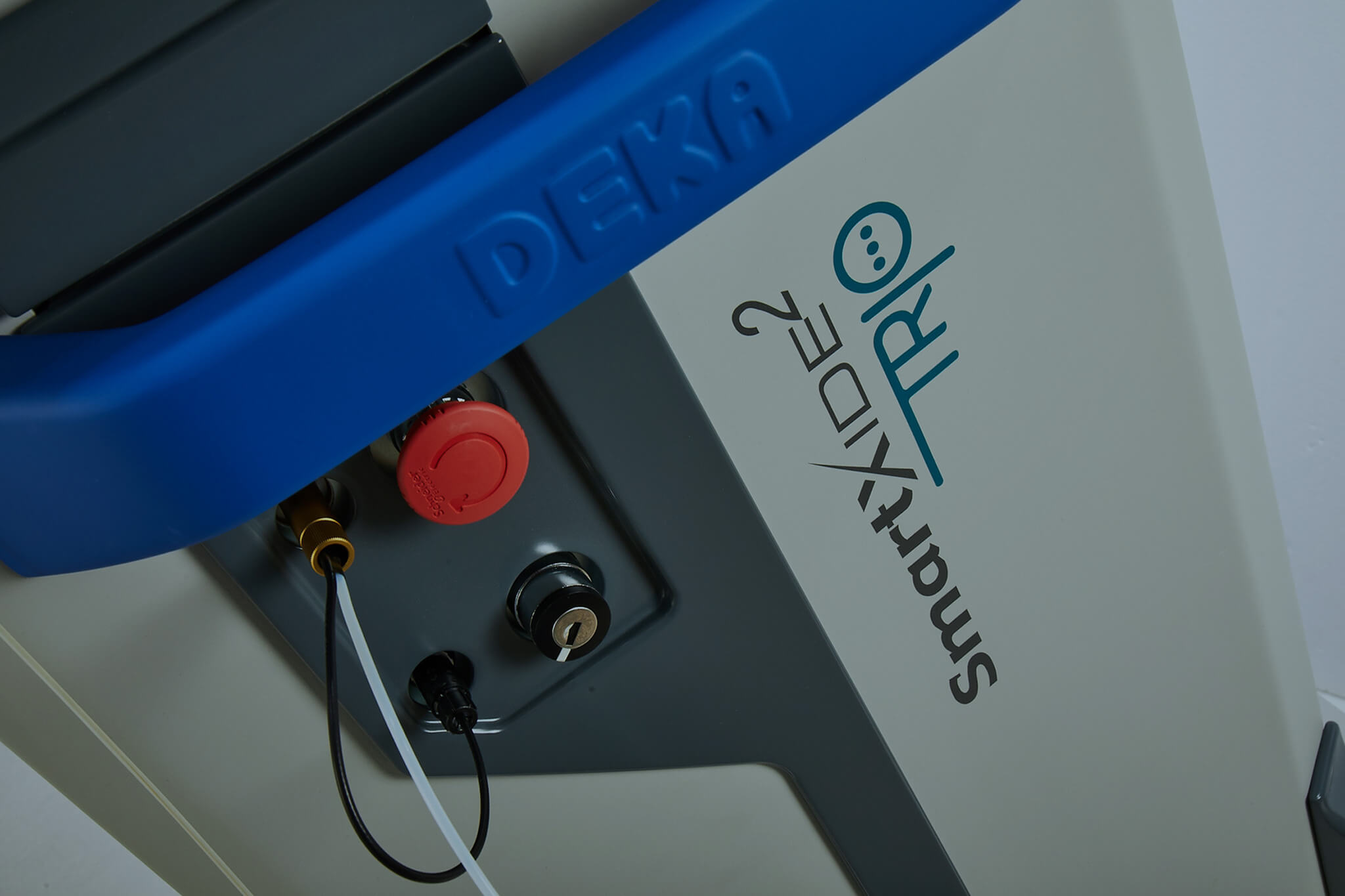
DEKA SmartXide² TRIO Reliability: Engineering Designed for Uptime
A surgical CO₂ laser’s reliability comes down to three fundamentals: how well its optical pathway is protected, how durable its internal components are, and how clearly it communicates system status to clinical and biomedical teams.
The DEKA SmartXide² TRIO is engineered around these principles. When paired with consistent maintenance, its design helps preserve beam stability, reduce drift, and support predictable clinical schedules.
Stable Beam Quality
The SmartXide² TRIO uses an enclosed and controlled optical path that helps limit exposure to dust and handling-related contamination. By shielding its key optical components, the system is better positioned to maintain stable beam characteristics between servicing cycles.
Durable Internal Components
Protective housings and internal assemblies help safeguard mirrors, lenses, and mechanical elements from unnecessary wear. This type of internal design supports longer-term stability and reduces the likelihood of sudden performance degradation.
Resonator Protection
An enclosed resonator design helps reduce the exposure of optical components to dust and physical disturbance. While routine calibration remains essential, shielding the resonator from day-to-day handling helps maintain alignment over longer periods of use.
Integrated System Indicators
The system includes status LEDs, safety indicators, and visual prompts that assist clinical teams and biomeds with rapid assessment. These built-in cues make it easier to spot emerging issues before they interrupt clinical workflow.
Predictable Operation with Proper Servicing
Like any CO₂ laser, the SmartXide² TRIO delivers its most consistent results when routine cleaning, alignment checks, and preventive maintenance are part of a defined workflow.
Service Contracts: What Hospitals Typically Look For
Hospitals depend on service programs that ensure uptime and predictable costs.
Preventive Maintenance Visits
Regular service visits support optics inspection, calibration checks, and internal-system verification. Preventive programs are widely documented to reduce major repair events.
Priority Repair Response
Hospitals prefer defined response times to avoid OR delays. FDA guidance on essential performance and risk reduction emphasizes the need for timely service for critical energy devices.
Replacement Parts Coverage
CO₂ lasers include wear components. Coverage for optics, filters, and internal parts stabilizes budgets and aligns with typical laser procurement frameworks for practices.
Software Updates and Safety Checks
Regular verification ensures interlocks, temperature sensors, and diagnostic pathways function correctly.
Documentation Support
Accreditation and inspection processes require complete maintenance histories and up-to-date records. Laser safety programs, such as those at Duke University Medical Center, typically define requirements for logs, tags, and service documentation.
How Service Support Affects Total Cost of Ownership
For surgical CO₂ laser systems, the bulk of the lifetime cost has very little to do with the purchase price. What matters is how reliably the system performs over years of procedures, how often it needs attention, and how predictable the maintenance cycle is. Strong service support changes the financial picture in several important ways.
Uptime Protects OR Efficiency
When a CO₂ laser is consistently available and performing as expected, cases run on schedule, and resources are used the way they were planned. A system that goes offline unexpectedly forces cancellations, delays, or costly last-minute workarounds.
Preventive Care Reduces Expensive Surprises
Most major failures begin as minor issues: a drifting beam, a contaminated optic, a loose connector. Regular inspection and routine servicing catch these small problems early. It is far less expensive to correct gradual wear than to rebuild a system after something breaks.
A Well-Maintained System Lasts Longer
Optics, cooling components, bearings, and internal assemblies age more slowly when they are cleaned, aligned, and tested on a defined schedule. Over time, this can add years to the usable life of the laser and delay the need for replacement capital.
Budgets are Easier to Plan
Hospitals prefer predictable spending. Service contracts that include scheduled maintenance and defined repair coverage help smooth out year-to-year variability. Instead of spikes driven by sudden breakdowns, costs follow a clearer pattern.
Compliance and Documentation Stay on Track
Accredited facilities must show that surgical energy devices are maintained, tested, and safe. Strong service support simplifies the paperwork by ensuring PM logs, inspection records, and service reports are complete and up to date.
Comparing Service Needs with Other CO₂ Laser Systems
The DEKA SmartXide² TRIO sits within the class of CO₂ laser systems designed for stable calibration, durable optics and predictable servicing.
The main differences lie in how protected the optical pathway is, how complex the cooling system is, and whether the delivery mechanism demands ongoing mechanical vs. fiber-based maintenance. Hospitals comparing platforms should evaluate not just purchase price, but the engineering choices that shape maintenance workload and long-term operating costs.
| Service Consideration | DEKA SmartXide² TRIO | Other CO₂ Laser Systems |
|---|---|---|
|
Optical pathway design |
Enclosed, controlled optical path helps limit dust exposure and maintain beam stability over longer intervals. |
Many systems use partially exposed or open paths that require more frequent cleaning and realignment. |
|
Calibration stability |
Protected optics and a defined beam path support slower drift when maintained correctly. |
Calibration may drift faster due to environmental exposure or a less protected resonator design. |
|
Cooling architecture |
The cooling and airflow structure supports consistent thermal performance with moderate maintenance requirements. |
More complex cooling loops may require regular inspection (pumps, coolant quality, lines), increasing service workload. |
|
Delivery configuration |
Compatible with articulated arms or fiber delivery, giving flexibility while allowing maintenance to match the chosen configuration. |
Some systems use only arms (more mechanical checks) or only fibers (fewer mechanical checks but fiber wear issues). |
|
Internal component protection |
Internal assemblies and optical housings are shielded, helping reduce wear on optics and mechanical elements. |
Less protected internal components may lead to more frequent wear, replacements or repairs. |
|
Diagnostic feedback |
Status LEDs and system indicators support quicker troubleshooting by biomedical teams. |
Diagnostic capability varies widely; some systems rely heavily on manual inspection. |
|
Predictability of long-term servicing |
Generally stable maintenance pattern when routine servicing is followed. |
Maintenance frequency can be more variable depending on optical design, cooling system, and component durability. |
Ensuring Long-Term Reliability With DEKA SmartXide² TRIO
Maintenance, service structure, and engineering reliability significantly affect the long-term performance of any surgical CO₂ laser system.
The DEKA SmartXide² TRIO supports stable results when paired with consistent optics care, calibration checks, and preventive maintenance. Hospitals that follow structured workflows and invest in strong service coverage protect uptime, reduce repair frequency, and extend the system’s operational life.
IML supports healthcare teams by providing service resources and maintenance guidance that help maintain reliable performance from the DEKA SmartXide² TRIO and ensure safe, consistent surgical operation.